
Summary
Bacterial microarchitecture determines cellular stability, antimicrobial resistance, and pathogenic potential. This article analyzes in depth the structure of peptidoglycan, the molecular differences between Gram-positive and Gram-negative bacteria, and the modern reformulation of Koch's postulates applied to structural virulence factors.
What You Will Learn
- Molecular structure of peptidoglycan (N-acetylglucosamine, N-acetylmuramic acid, and tetrapeptide bridges).
- Ultrastructural differences between Gram-positive and Gram-negative bacteria.
- Function of the periplasmic space and Braun's lipoprotein.
- The role of porins in antimicrobial resistance and the importance of teichoic acids.
- Molecular reformulation of Koch's postulates.
1️⃣ Bacterial Architecture: Beyond Gram Staining
In veterinary microbiology, classifying bacteria as Gram-positive or Gram-negative is not merely a diagnostic exercise; it is a structural distinction with profound pathophysiological implications.
2️⃣ Peptidoglycan: The Prokaryotic Structural Mesh
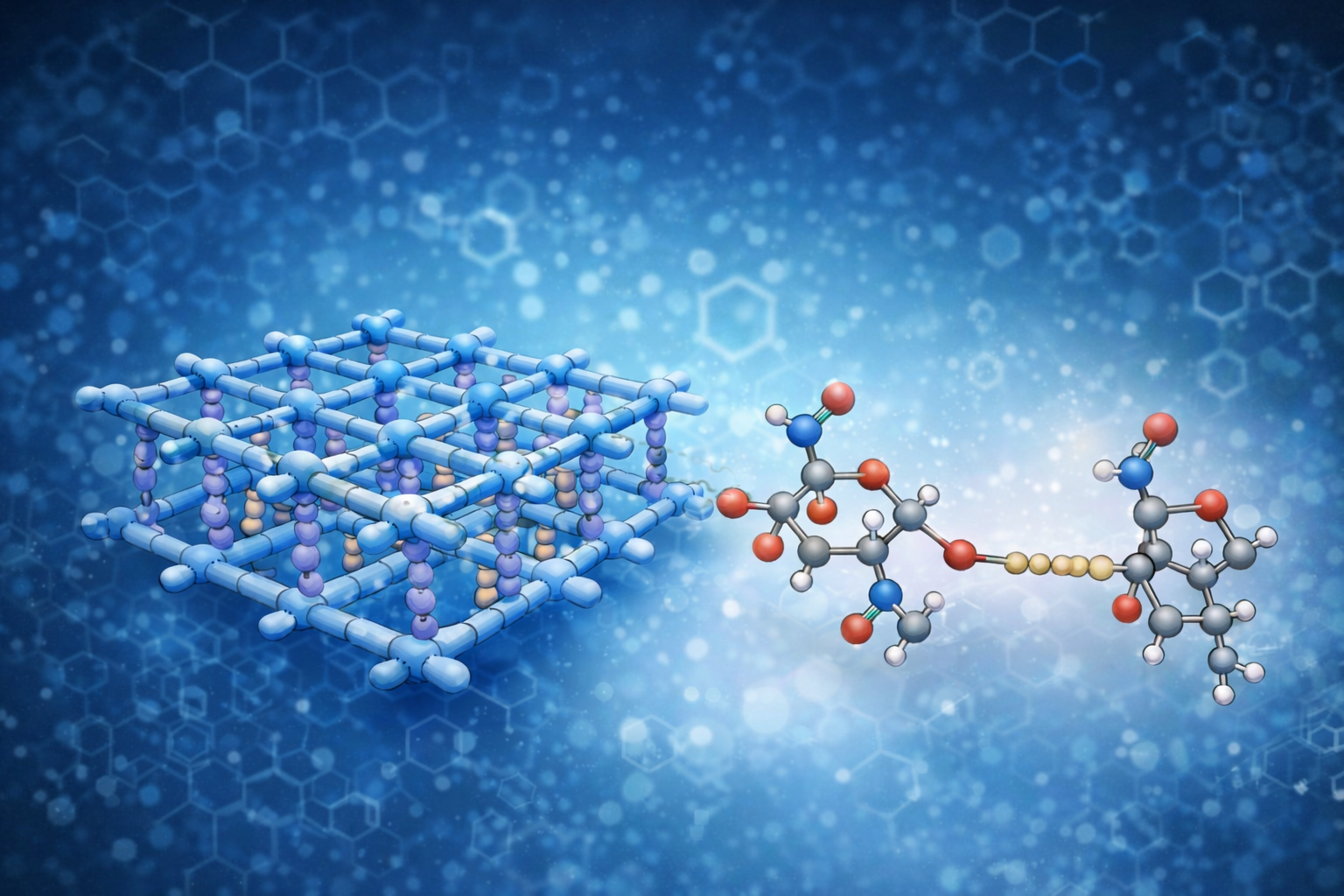
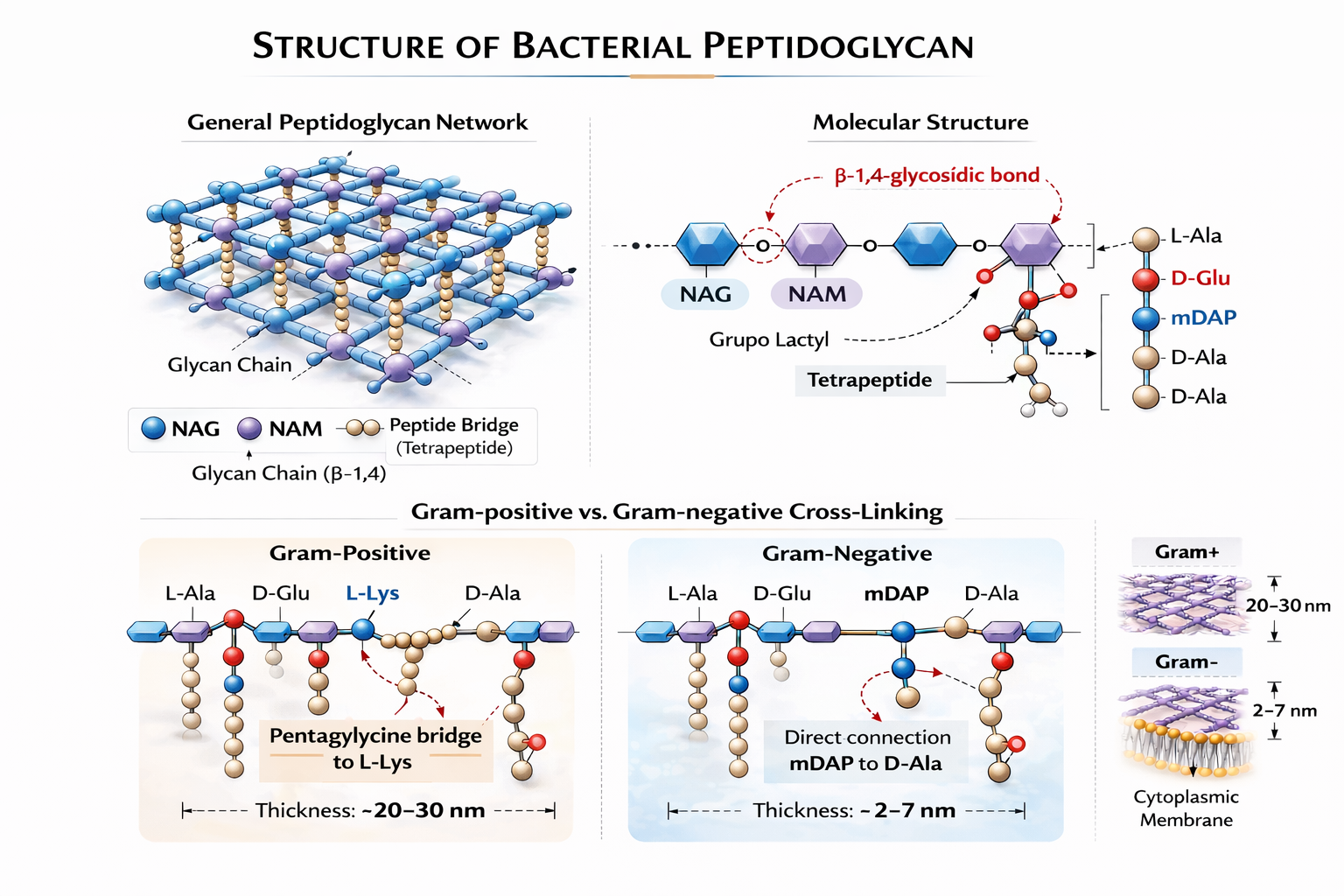
Peptidoglycan, also known as murein, is the essential component of the cell wall. It is composed of N-acetylglucosamine (NAG) and N-acetylmuramic acid (NAM), linked by tetrapeptide bridges.
3️⃣ Gram-Positive: Teichoic Acids and Stability
Gram-positive bacteria feature a thick peptidoglycan wall and lack an outer membrane. They contain teichoic and lipoteichoic acids, which modulate the host's immune responses.
4️⃣ Gram-Negative: Complexity and Outer Barrier
They possess a more sophisticated architecture: an inner membrane, a periplasmic space, and an additional outer membrane containing Braun's lipoprotein, porins, and Lipopolysaccharide (LPS).
5️⃣ Modern Reformulation of Koch's Postulates
Contemporary microbiology recognizes that pathogenicity can reside in specific molecules. This explains why endotoxins like LPS can trigger severe systemic disease even after bacterial death.
Conclusion
In veterinary medicine, understanding structure is understanding disease. Structural knowledge translates directly into precise diagnostic and therapeutic criteria.